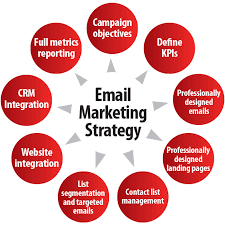
Email marketing remains one of the most effective digital marketing strategies in 2026. Unlike social media, email allows you to reach your audience directly, build relationships, and drive sales. Beginners can start with simple campaigns and gradually grow into advanced strategies.
This guide will show you how to understand email marketing, create your first campaign, and start generating results.
What Is Email Marketing?
Email marketing is the process of sending promotional, informational, or transactional emails to a list of subscribers. The goal is to:
- Build trust and relationships with your audience
- Promote products, services, or content
- Drive traffic to your website or offers
- Increase conversions and sales
Why Beginners Should Learn Email Marketing
- High ROI: Email marketing consistently delivers higher returns than many other marketing channels.
- Direct Access: Reach your audience without relying on social media algorithms.
- Scalable: Grow your list and automate campaigns for more efficiency.
- Global Opportunities: Businesses worldwide hire email marketers and freelancers.
Even beginners with minimal experience can start building campaigns and earn money.
Step 1: Choose an Email Marketing Platform
Several beginner-friendly platforms offer free plans:
- Mailchimp: Easy for beginners, automation features, free plan available.
- MailerLite: Simple drag-and-drop editor, ideal for small lists.
- Sendinblue: Email marketing and SMS marketing in one platform.
- ConvertKit (Free Plan): Great for bloggers and content creators.
Choose one platform and explore its free features to start learning.
Step 2: Build Your Email List
Your email list is the foundation of your campaigns.
Ways to grow your list:
- Add sign-up forms on your website or blog
- Offer lead magnets: eBooks, checklists, templates
- Promote subscription links on social media
- Collect emails during events or webinars
Focus on quality over quantity—engaged subscribers are more valuable than large inactive lists.
Step 3: Create Engaging Emails
A good email has:
- Subject Line: Short, clear, and engaging to encourage opening.
- Body Content: Valuable, easy-to-read content with a clear purpose.
- Call-to-Action (CTA): Direct your reader to take action (visit website, buy, download, subscribe).
- Design: Use headings, bullets, and images to make the email readable.
Beginner tip: Start with plain text emails, then gradually add visuals.
Step 4: Plan Your First Campaign
- Decide the goal: Promote a product, share content, or build a relationship.
- Segment your list: Group subscribers based on interests if possible.
- Schedule your email: Decide the day and time for sending.
- Test: Send a test email to yourself to check formatting and links.
Automation can help send welcome emails and drip campaigns to new subscribers.
Step 5: Analyze and Improve
Tracking results is crucial. Most email marketing platforms provide analytics:
- Open rate: Percentage of subscribers who open your email
- Click-through rate (CTR): Percentage who click links in your email
- Bounce rate: Emails that could not be delivered
- Unsubscribe rate: Subscribers who leave
Analyze data to see what works and adjust your campaigns accordingly.
Step 6: Start Freelancing or Monetizing
Once comfortable, you can:
- Offer email campaign setup services on Fiverr or Upwork
- Manage email newsletters for small businesses
- Combine email marketing with content writing or social media management
Even beginners can start with small clients and gradually build a portfolio.
Tips for Beginners
- Keep emails simple and valuable.
- Focus on building trust with subscribers.
- Write personal, conversational emails to increase engagement.
- Use free templates initially, then customize as skills improve.
- Test different subject lines and content formats to see what works.
Conclusion
Email marketing is a beginner-friendly digital skill with high potential for freelancing, online business growth, and passive income. By learning how to create campaigns, build lists, and analyze results, beginners can start running successful email campaigns and earning online in 2026.
Focus on small steps: select a platform, grow your email list, create your first email, and track performance. With practice, email marketing can become a powerful tool for both personal and professional growth.
Leave a Reply