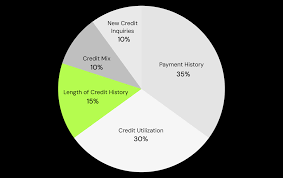
Most students don’t think much about credit history until they actually need it — applying for a car loan, renting an apartment that requires a credit check, or seeking a mortgage years down the line — at which point a thin or poor credit history can quietly limit options or increase costs in ways that feel disproportionate to how little attention was paid to building it earlier. Credit history is one of those financial fundamentals that benefits enormously from an early start, precisely because it’s built over time and can’t simply be created overnight when it’s suddenly needed.
This guide covers what credit history actually is, why it matters more than many students realize, and practical, responsible ways to start building it during university years without taking on unnecessary risk.
What Credit History Actually Is
Credit history is a record of how an individual has borrowed and repaid money over time, typically including credit cards, loans, and other forms of credit. This history gets compiled into a credit report, and summarized into a credit score — a numerical representation of creditworthiness used by lenders, landlords, and sometimes even employers to assess financial reliability.
The system works somewhat counterintuitively for those new to it: having no credit history at all isn’t treated as neutral or safe by lenders — it’s often treated similarly to having limited established reliability, since there’s no track record to evaluate. This is precisely why starting to build credit history early, even in small, low-risk ways, tends to pay off significantly later, rather than waiting until credit becomes urgently necessary for some larger financial goal.
Why Credit History Matters Beyond Just Credit Cards
It’s worth being clear that credit history affects more than just future credit card applications. A strong credit history typically results in better interest rates on future loans — whether for a car, a home, or even certain types of education financing — which can translate into meaningfully lower total costs over the life of those loans. Landlords in many markets check credit history as part of rental applications, meaning a thin or poor credit history can complicate finding housing even when income is otherwise sufficient. In some regions and industries, employers conduct credit checks as part of the hiring process, particularly for roles involving financial responsibility. And insurance providers in some markets factor credit history into premium calculations, meaning the effects of credit history can show up in places students might not expect.
This breadth of impact is part of why credit history deserves more deliberate attention than it typically receives during the student years, when many of these long-term implications still feel distant and abstract.
Starting Points for Building Credit as a Student
Student Credit Cards
Many financial institutions offer credit cards specifically designed for students, typically featuring lower credit limits and sometimes more lenient approval requirements than standard credit cards, recognizing that students are just beginning to build credit history. These cards can be a genuinely useful starting point, provided they’re used with the discipline discussed in the next section, since a credit card used irresponsibly can damage credit history just as effectively as one used well can build it.
Secured Credit Cards
For students who don’t qualify for a standard student credit card, secured credit cards offer an alternative entry point. These require a cash deposit that typically becomes the credit limit, reducing risk for the lender while still allowing the student to build a credit history through normal usage and repayment. While the deposit requirement is a real consideration, secured cards function identically to regular credit cards in terms of building credit history, making them a legitimate starting option rather than a lesser one.
Becoming an Authorized User
In some cases, a parent or family member with an established, well-managed credit history may be willing to add a student as an authorized user on their existing credit card account. This can allow the account’s positive payment history to reflect on the student’s own credit history as well, offering a head start without the student needing to qualify independently. This option depends heavily on family circumstances and willingness, and it’s worth a direct, honest conversation about expectations and responsibilities if pursued this way, given that this arrangement involves shared financial trust.
Credit-Builder Loans
Some financial institutions offer credit-builder loans specifically designed to help individuals establish credit history. These work somewhat differently from traditional loans — the borrowed amount is often held in a savings account rather than given directly to the borrower, and the loan is repaid over time, with payment history reported to credit bureaus throughout. This option can be useful for students who prefer not to use a credit card at all but still want to begin building credit history.
The Core Principles of Responsible Credit Building
Pay the Full Balance, Not Just the Minimum
This is arguably the single most important habit for students starting to build credit. Credit cards typically allow a minimum monthly payment far smaller than the full balance, but unpaid balances accrue interest, often at relatively high rates compared to other forms of borrowing. Paying the full balance each month avoids interest charges entirely while still building positive credit history through consistent on-time payments, making this the financially optimal approach in nearly every case for students using credit responsibly rather than relying on credit as a way to finance spending beyond their means.
Keep Credit Utilization Low
Credit utilization — the percentage of available credit currently being used — is a significant factor in credit scoring. Even when paying balances in full each month, consistently using a very high percentage of available credit can affect credit scores. A general guideline favored by many financial educators is keeping utilization meaningfully below the full available limit, which for student credit cards with modest limits often means being deliberate about which expenses go on the card rather than charging everything to it by default.
Never Miss a Payment
Payment history is typically the single largest factor in credit scoring, and missed or late payments can have an outsized negative effect on credit history, sometimes lingering on credit reports for years. Setting up automatic minimum payments as a safety net, even while aiming to pay the full balance manually each month, provides a useful backstop against accidentally missing a due date during a busy academic period.
Avoid Opening Too Many Credit Accounts Too Quickly
While building credit history requires some credit accounts, opening multiple new accounts within a short period can actually have a temporary negative effect on credit scores, partly because it can appear to lenders as a sign of financial strain rather than responsible credit building. A more measured approach — establishing one credit account, using it responsibly for a meaningful period, and only adding additional accounts deliberately and when genuinely useful — tends to build stronger long-term credit history than rapidly accumulating multiple accounts.
Monitor Credit Reports Regularly
Many financial institutions and independent services now offer free access to credit scores and reports, making it easier than ever for students to monitor their own credit building progress and catch errors or signs of identity theft early. Regularly reviewing this information, even briefly, helps build genuine financial literacy around how specific behaviors affect credit scores in practice, rather than relying purely on general advice without seeing the real-world feedback loop.
Common Mistakes Students Make With Credit
Treating a Credit Card as Extra Income
One of the most common and most damaging mistakes is treating available credit as additional spending money rather than a tool requiring full repayment. This mindset shift — from “what can I afford to spend” to “what credit is available to me” — is precisely what leads to debt accumulation that can take years to fully recover from, both financially and in terms of credit history damage.
Ignoring the Card Until a Statement Arrives
Some students, intending to be responsible, simply set up a card and forget about it until a monthly statement arrives, rather than actively tracking spending throughout the month. This passive approach increases the risk of accidentally overspending or missing the connection between individual purchases and the cumulative balance, making active, ongoing awareness a better habit than purely reactive monthly review.
Closing the First Credit Card Too Early
Once students have access to better credit cards or feel they no longer need their original student or secured card, there’s sometimes a temptation to close it. However, closing an older account can actually shorten the average length of credit history, which is itself a factor in credit scoring. In many cases, keeping an older account open, even with minimal or occasional use, supports stronger long-term credit history than closing it once it’s no longer the primary card in active use.
Co-Signing Without Full Understanding
Students are sometimes asked to co-sign loans or credit applications for family members or friends, not fully realizing that co-signing makes them equally responsible for the debt, with any missed payments affecting their own credit history just as significantly as the primary borrower’s. This is a decision that deserves serious, careful consideration rather than being treated as a casual favor, given the real financial exposure involved.
Building Credit Within a Broader Financial Strategy
It’s worth situating credit building within the broader financial picture rather than treating it in isolation. Credit building works best when paired with the budgeting habits discussed elsewhere on this site, since responsible credit card use fundamentally depends on spending within a clear, realistic budget rather than relying on credit to bridge gaps in an unsustainable spending pattern. Similarly, the financial literacy fundamentals around interest, debt, and repayment discussed in broader financial education content directly inform how to use credit responsibly, making credit building less a standalone task and more a natural extension of general financial literacy applied to a specific tool.
Conclusion
Building credit history during university years is one of the more quietly impactful financial habits a student can develop, precisely because its benefits — better loan terms, smoother rental applications, broader financial flexibility — tend to materialize gradually and become most visible later in life, when the foundation has already been established or, unfortunately, when its absence becomes a genuine obstacle. Starting early, through accessible tools like student or secured credit cards, paired with the core discipline of paying balances in full, keeping utilization low, and never missing payments, gives students a meaningful head start on long-term financial health.
The goal isn’t to rush into credit usage without preparation, but to approach it as a deliberate, low-risk learning process during a period of life when the financial stakes of any individual mistake are generally smaller than they will be later. Students who treat credit building this way — patiently, responsibly, and as one part of a broader financial literacy foundation — tend to enter post-graduation life with a genuine financial advantage that’s easy to overlook until it’s actually needed.