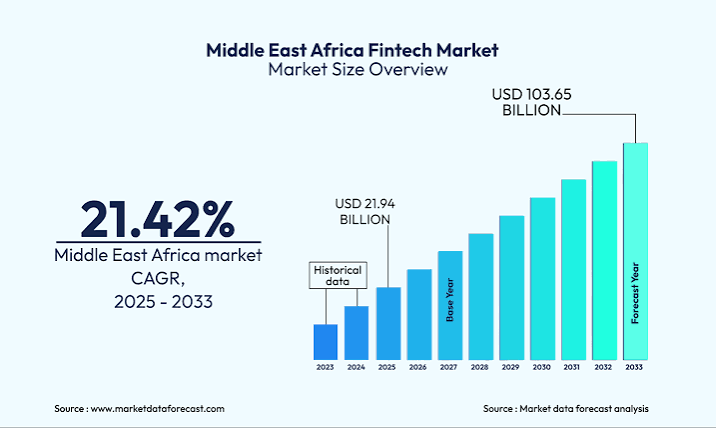
A decade ago, banking meant visiting a branch, standing in line, and filling out paper forms for almost everything. Today, an entire generation is growing up without ever needing to step inside a physical bank. Digital banking and fintech — short for financial technology — have quietly rebuilt the financial system around mobile apps, instant transfers, and AI-driven services. For students and young professionals stepping into financial independence in 2026, understanding this landscape isn’t optional anymore; it’s the default environment they’re managing money in.
This guide breaks down the core concepts of digital banking and fintech in plain language, covering what these tools actually do, how they differ from traditional banking, and what beginners should know before relying on them.
What Is Fintech, Really?
Fintech is a broad term covering any technology designed to deliver, automate, or improve financial services. This includes mobile banking apps, digital wallets, peer-to-peer payment platforms, investment apps, lending platforms, and increasingly, AI-driven financial assistants. The defining feature of fintech isn’t any single product — it’s the underlying shift from financial services being something you visit in person to something built directly into your phone, available instantly, at any hour.
It’s worth distinguishing between two related but different things: digital banking, which refers to traditional banks offering their services through apps and websites, and fintech companies, many of which aren’t banks at all but technology companies that partner with licensed banks behind the scenes to offer banking-like services. Understanding this distinction matters because it affects things like deposit protection and regulatory oversight, which we’ll get into shortly.
Digital-Only Banks vs Traditional Banks
Digital-only banks, often called neobanks, operate without physical branches, running entirely through mobile apps. They typically offer lower fees, faster account opening, and more intuitive interfaces than traditional banks, since they don’t carry the overhead costs of maintaining physical locations.
Traditional banks, meanwhile, have largely adapted by building their own digital banking apps, offering many of the same convenience features while still maintaining physical branches for customers who want or need in-person services — useful for things like cash deposits, certain documentation needs, or simply customer preference.
For beginners, neobanks often appeal because of their simplicity and lower costs, but it’s worth checking a few things before committing: whether the neobank is properly licensed or partnered with a regulated bank, what deposit protection applies to your funds, and how accessible customer support is if something goes wrong, since the absence of a physical branch also means there’s no walk-in option for resolving issues.
Core Fintech Tools Beginners Should Understand
Mobile Wallets and Digital Payments
Mobile wallets allow users to store payment information digitally and make purchases or transfers without needing a physical card or cash. These have become the default payment method in many markets, supporting everything from in-store purchases via tap-to-pay to instant peer-to-peer transfers between friends splitting a bill.
For beginners, the appeal is convenience and speed, but it’s worth developing the habit of regularly reviewing transaction history within these apps, since the ease of tapping to pay can make it easy to lose track of cumulative spending — a pattern fintech research has consistently flagged as a common pain point, particularly with how seamlessly small transactions can add up unnoticed.
Buy Now, Pay Later (BNPL)
BNPL services allow users to split purchases into smaller installments, often interest-free if paid on schedule. These have grown rapidly in popularity, particularly among younger consumers, because they make larger purchases feel more manageable. However, this is an area where caution is genuinely warranted: missed payments can trigger fees or interest, and using multiple BNPL services simultaneously can make it surprisingly easy to lose track of total outstanding obligations, since each individual payment looks small in isolation. Recent consumer research has flagged growing frustration around unclear BNPL terms and unexpected charges, which makes reading the fine print before signing up especially important.
Peer-to-Peer (P2P) Payment Apps
P2P apps allow instant money transfers between individuals, replacing the older practice of carrying cash or writing checks for shared expenses. These are generally low-risk for small, routine transactions between people you know, but beginners should be cautious about using them for transactions with strangers, such as online marketplace purchases, since P2P transfers typically don’t offer the same buyer protections as credit cards or established payment processors.
Robo-Advisors and Micro-Investing Apps
These platforms use algorithms to manage investment portfolios automatically, often allowing users to start investing with very small amounts of money. For beginners curious about investing but intimidated by traditional brokerage platforms, these apps lower the barrier to entry significantly. That said, it’s worth understanding the underlying fee structure and investment strategy before depositing money, since “automated” doesn’t mean “risk-free” — these tools still expose users to market fluctuations, just managed algorithmically rather than manually.
AI-Driven Financial Assistants
A growing number of banking apps now include AI chat assistants capable of answering account questions, flagging unusual spending, or offering basic financial guidance. While genuinely useful for everyday questions, beginners should remember that these assistants are typically designed to support, not replace, more substantial financial decisions like loans or major investments, where the stakes are high enough to warrant more careful, possibly human-reviewed guidance.
Why This Matters for Financial Literacy
There’s a meaningful overlap between fintech adoption and financial education, and it’s worth pausing on. Traditional financial literacy education often focused on abstract concepts — interest rates, inflation, diversification — without much practical application for someone who has never actually managed an account.
Fintech tools change this by making financial concepts immediately tangible. A student using a budgeting feature built into their digital banking app isn’t learning about budgeting in the abstract; they’re seeing their actual spending categorized in real time. This shift — from theoretical to applied learning — is part of why fintech and financial education are increasingly discussed together rather than as separate topics, and it’s a trend likely to deepen as more financial institutions build educational content directly into their apps.
Security: What Beginners Need to Take Seriously
With convenience comes risk, and digital banking is not immune to security threats. Cybersecurity has become one of the most frequently cited concerns within the broader finance industry, with deepfake scams, phishing attempts, and increasingly sophisticated fraud techniques targeting digital banking users specifically.
A few practical habits make a significant difference here. Always enable two-factor authentication wherever it’s offered, since this single step blocks the vast majority of unauthorized access attempts even if a password is compromised. Be skeptical of unsolicited messages asking for account details or urging immediate action, since legitimate banks rarely request sensitive information through text or email. Regularly review account activity rather than assuming everything is fine simply because no alerts have appeared, since not all fraud triggers automatic notifications. And avoid conducting banking transactions over public Wi-Fi networks without a secure connection, since these networks are more vulnerable to interception.
Choosing the Right Tools as a Beginner
With so many fintech products available, beginners can easily feel overwhelmed by choice. A practical approach is to start narrow rather than broad: pick one primary digital banking app or neobank for everyday transactions, rather than spreading activity across several platforms from the start, since this makes it easier to track spending holistically and reduces the risk of losing oversight across fragmented accounts.
From there, it makes sense to layer in additional tools deliberately, based on actual need rather than novelty. A student managing irregular income from part-time work might prioritize a strong budgeting feature. Someone interested in building savings habits might prioritize a tool with automated micro-saving features. Someone curious about investing might explore a reputable robo-advisor, but only after the basics of saving and spending tracking are comfortably established.
It’s also worth checking reviews and regulatory status before adopting any new fintech tool, particularly smaller or newer platforms, since not every fintech company carries the same level of regulatory oversight or financial backing as established banks.
Common Misconceptions Worth Addressing
A few misconceptions tend to trip up beginners specifically. Some assume that because an app is convenient and modern, it’s automatically safer than traditional banking — this isn’t necessarily true, and security depends far more on the specific platform’s practices than on whether it’s “digital” or “traditional.” Others assume that automated tools like robo-advisors or AI assistants eliminate the need to understand basic financial concepts — in reality, these tools work best as support systems for people who already understand the fundamentals, not as substitutes for that understanding. And some assume BNPL services are essentially “free” since many don’t charge interest if paid on time — but the ease of accumulating multiple simultaneous BNPL obligations makes this a deceptively easy area to lose control of spending without realizing it.
Conclusion
Digital banking and fintech have fundamentally changed how money moves, how people save, and how financial decisions get made — and for students and young professionals starting out in 2026, this digital-first environment isn’t a future trend to prepare for; it’s already the default. Understanding the core building blocks — mobile wallets, BNPL, P2P payments, robo-advisors, and AI-driven assistants — along with the security practices that protect against their risks, gives beginners a genuinely practical foundation for managing money in this new landscape.
The convenience these tools offer is real, but so are the risks of moving too fast without understanding what’s actually happening behind the interface. Approached thoughtfully — starting narrow, prioritizing security, and treating automation as a support tool rather than a replacement for financial understanding — digital banking and fintech can be one of the most empowering developments in personal finance for a generation that’s grown up expecting their money to be as accessible and intuitive as everything else on their phone.